Residential Flood Restoration Santa Ana, CA
Immediate Water Extraction & Structural Drying to Protect Your Home
When water invades a home, every minute counts. Whether it is a burst galvanized supply line in an older home near Floral Park or a sudden storm backing up aging clay-lined drains, standing water quickly compromises structural integrity. Rhi Water Damage Restoration responds immediately to initiate water extraction, pulling moisture out of saturated carpets, pad, and subfloors before irreversible swelling occurs.
Homeowners often worry that a cleanup crew will immediately start tearing out drywall and hardwood floors unnecessarily. A scientific approach prevents this. Using thermal imaging inspection and precise moisture mapping, experienced technicians identify exactly where the water has traveled behind baseboards and inside wall cavities. This diagnostic data guides drying equipment placement, allowing crews to save materials that others might automatically discard.
Santa Ana's warm climate means that mold prevention treatment must begin almost immediately. Within 24 to 48 hours of water exposure, mold spores can colonize damp drywall and subfloor saturation. By deploying high-capacity air movers and industrial dehumidifiers, we manage the psychrometric readings of your indoor air, accelerating evaporation while pulling moisture out of structural framing. Our crew takes daily measurements to track progress, working directly with your insurance adjuster to document the entire drying process so your recovery stays on track without unnecessary delays.
Our licensed operators handle residential flood restoration with upfront pricing, fully insured equipment, and 24/7 availability throughout Santa Ana, CA.
Residential Flood Restoration Santa Ana, CA
Protecting Your Santa Ana Home with Scientific Structural Drying
When a sudden pipe burst or a heavy El Niño rainstorm floods your living room, the clock starts ticking immediately. Water does not just sit on your floor; it actively migrates into baseboards, wicks up drywall, and pools in the subfloor. Our team of experienced technicians uses advanced moisture mapping to track this hidden migration path. We do not guess where the water went. We use thermal imaging inspection tools to see exactly how far the moisture has traveled, ensuring we only remove what is absolutely necessary to save your home.
Proper residential flood restoration is about physics, not just vacuuming up standing water. By focusing on precise drying equipment placement—positioning heavy-duty air movers and industrial dehumidifiers to create the perfect evaporation environment—we pull deep-seated moisture out of structural framing. This scientific approach to structural drying prevents wood rot and stops mold spores from colonizing your walls. We take daily psychrometric readings to document the drying progress, giving you concrete proof that your home is dry and safe before we ever pack up our trucks.
-
Rapid Water Extraction — We pull bulk water from carpets and subfloors immediately to halt structural degradation.
-
Targeted Drywall Removal — We only cut away water-logged gypsum board where necessary, saving your unaffected walls.
-
Mold Prevention Treatment — Our crew applies EPA-registered antimicrobials to damp framing to stop fungal growth before it starts.
-
Accurate Moisture Mapping — We track relative humidity and material moisture levels daily to ensure complete dryness.
-
Insurance Adjuster Coordination — We provide detailed drying logs and line-item estimates directly to your carrier to simplify your claim.
Residential Flood Restoration Santa Ana, CA
Why homeowners in Santa Ana trust Rhi Water Damage Restoration for Residential Flood Restoration
When a burst pipe or sudden winter storm floods your Santa Ana home, you cannot afford to wait for a national franchise's call center to route your emergency. At Rhi Water Damage Restoration, we operate as a locally owned, highly specialized team right here in Orange County. We hold a valid California Contractors State License Board (CSLB) license and employ our experienced technicians who carry advanced IICRC certification in water extraction and structural drying. We do not rely on guesswork or sub-contracted labor; we own our fleet of high-capacity air movers and commercial dehumidifiers, ensuring we control the quality of every job from the initial call to the final inspection.
Unlike national chains that push for aggressive, unnecessary demolition to inflate insurance claims, our team prioritizes precision. We use thermal imaging inspection and advanced moisture mapping to track subfloor saturation and hidden wall cavity moisture before making any cuts. By taking daily psychrometric readings, we document the exact drying progress of your home, proving to your insurance adjuster that our drying equipment placement is targeted and efficient. Choosing Rhi Water Damage Restoration means you get direct communication, transparent documentation, and a dedicated local crew that treats your family home with the respect it deserves.
LOCALLY OWNED & OPERATED
Dispatchers and drivers who know your community.
GPS-TRACKED FLEET
Real-time ETAs and the closest available truck.
LICENSED PROFESSIONALS
Fully insured operators trained for safe recovery.
UPFRONT PRICING: Clear quotes before our truck rolls
no surprise fees.
Residential Flood Restoration Santa Ana, CA
Clear Answers on Residential Flood Recovery
Residential Flood Restoration Santa Ana, CA
Why Fast Residential Flood Restoration Matters in Santa Ana
Santa Ana sits in a low-lying basin of Orange County where aging clay-lined storm drains can back up into residential foundations during heavy El Niño rain events. When a flood hits your home, the clock starts ticking immediately. Water isn't just sitting on your floors; it is actively migrating. Within hours, drywall sucks up moisture like a wick, and subfloor saturation begins to compromise the structural integrity of your framing. If your home was built before 1980, which is common in our older local neighborhoods, your plaster and older subfloors are even more vulnerable to rapid degradation. Getting professional water extraction and structural drying started immediately is the only way to halt this active destruction.
Without systematic moisture mapping and professional drying equipment placement, you are essentially guessing. Homeowners often run standard household fans, but this only moves humid air around, accelerating mold spore germination. In Santa Ana's warm summer months, mold can colonize damp wall cavities in less than 48 hours. If you are dealing with Category 3 water—such as sewage contamination from a backed-up main line—the health risks escalate instantly. Our experienced technicians use thermal imaging inspection tools to trace moisture hidden deep behind baseboards, ensuring we only perform drywall removal where absolutely necessary rather than tearing your home apart blindly.
By establishing proper psychrometric readings and managing air mover deployment alongside heavy-duty dehumidification, we pull deep-seated moisture out of structural studs and subfloors. This scientific approach to drying prevents long-term warping of hardwood floors and saves you from massive reconstruction bills later. We also apply a targeted mold prevention treatment to ensure your family returns to a safe, healthy environment. Every step of our process aligns with ANSI/IICRC S500 standards, and as a CSLB-licensed contractor, we coordinate directly with the City of Santa Ana Community Development Agency if any structural permits are required, keeping your restoration fully compliant and safe.
Our Services
Basement Flood Cleanup
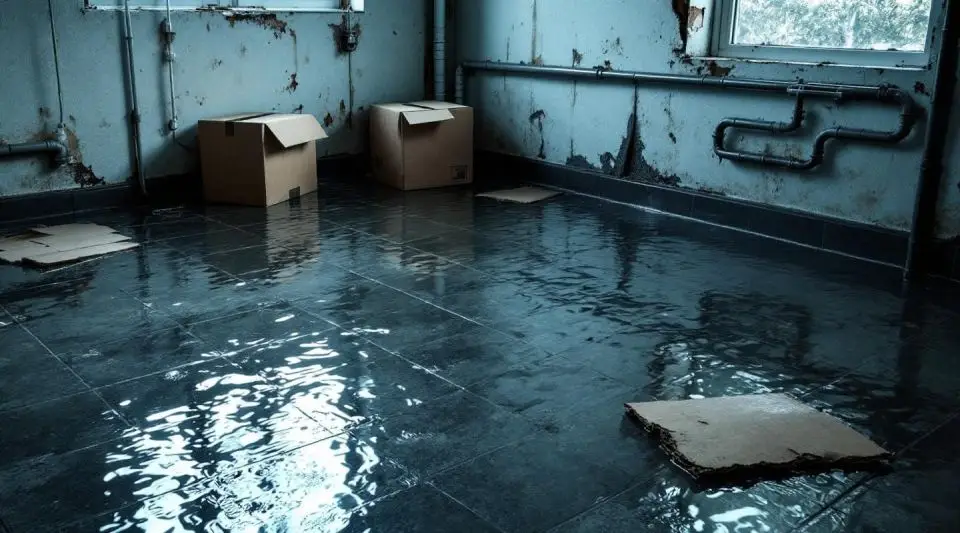
When heavy El Niño rain events hit Orange County or the Santa Ana River corridor rises, older homes with mid-20th century concrete block foundations face a serious threat.
View Service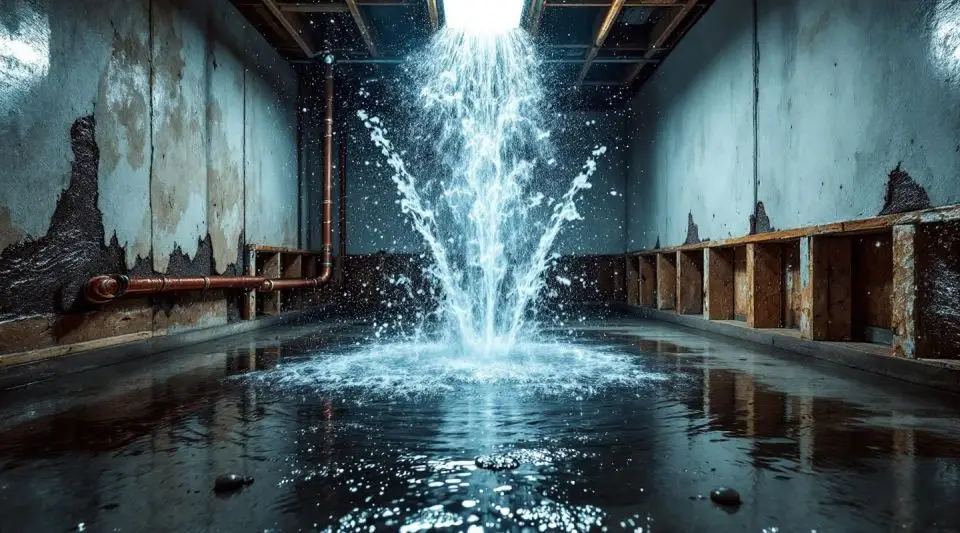
Burst Pipe Water Damage
When a water line suddenly fails inside your Santa Ana home, the clock starts ticking immediately.
View Service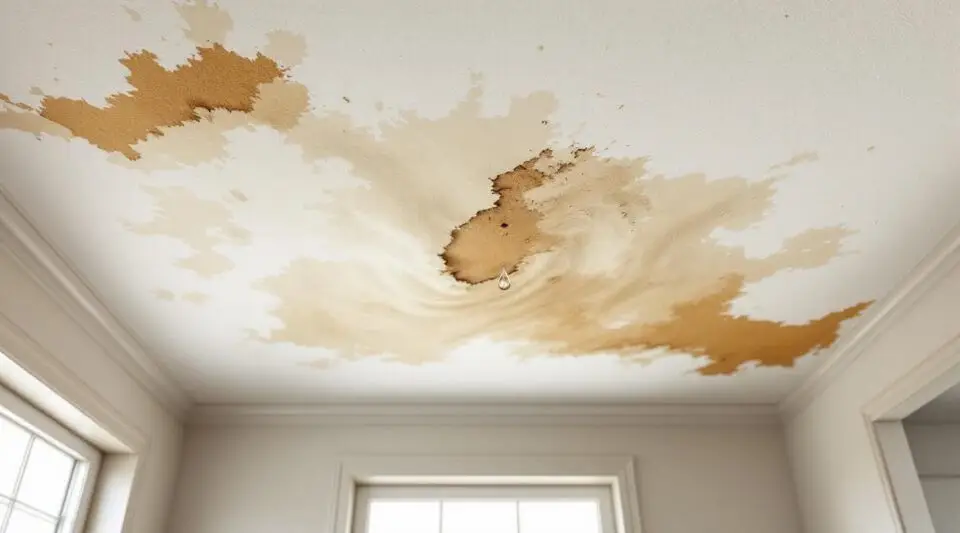
Ceiling Water Damage Repair
When water starts dripping from your light fixtures or ugly water staining forms overhead, you are dealing with more than just an eyesore.
View Service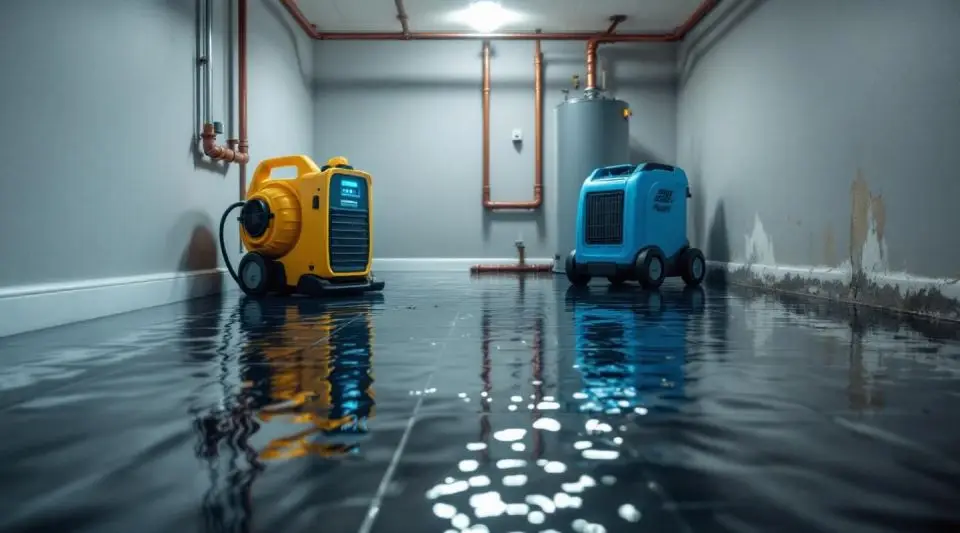
Emergency Water Damage Repair
When a plumbing line fails or an atmospheric river dumps inches of rain on Santa Ana, water doesn't just sit on your floor.
View Service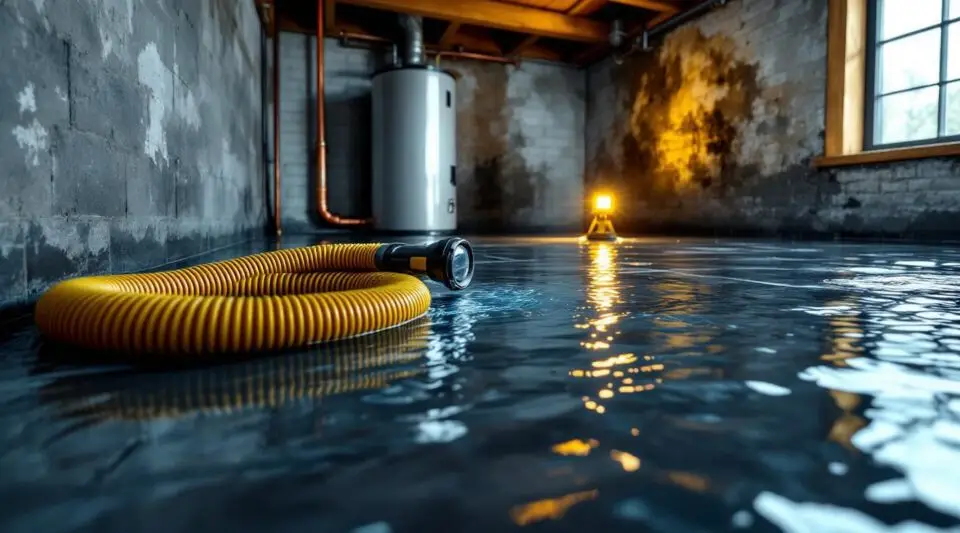
Home Water Removal Services
When water breaks free inside your Santa Ana home, the clock starts ticking immediately.
View Service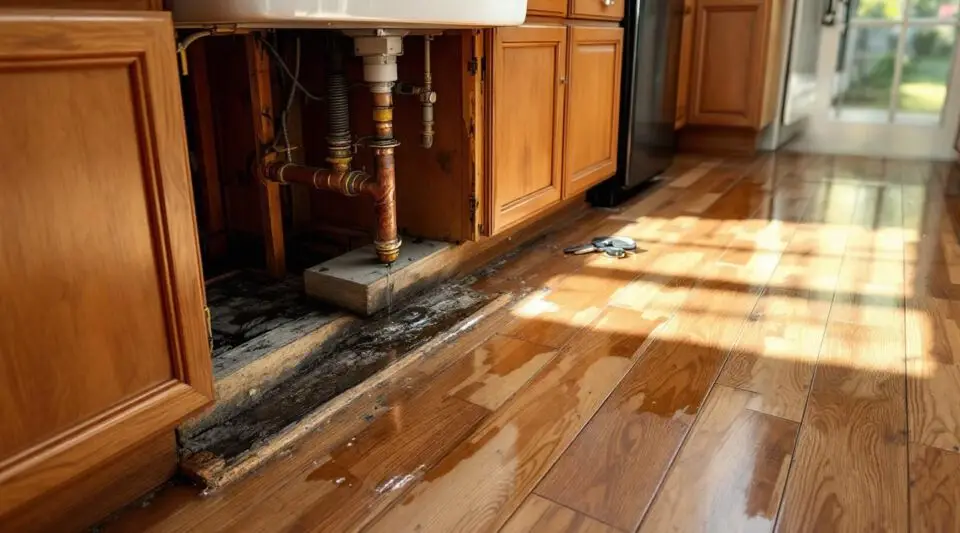
Kitchen Leak Damage Repair
A slow, quiet under-sink leak or a sudden dishwasher overflow can quietly wreck your kitchen long before you spot the standing water.
View Service
Sewage Backup Cleanup
When a toilet overflows or a main lateral sewer line fails, you aren't just dealing with dirty water.
View ServiceStop the Water Before It Ruins Your Santa Ana Home
You cannot afford to wait when water is soaking your subfloors and climbing your drywall. Our experienced technicians are ready to deploy immediately across Santa Ana to start water extraction and set up structural drying equipment before mold takes hold.
We work directly with your insurance carrier to handle the documentation, using precise psychrometric readings to prove the job is done right. Call us now to get an honest, clear plan of action and protect your property from long-term structural decay.
What They Say About Us:
When our historic home's basement filled with water, this team arrived quickly and handled the extraction with incredible care. They completely dried out the space and saved our original hardwood floors from warping.
Mateo
Excellent Residential Flood Restoration in Floral ParkA burst pipe flooded our entire downstairs living room right before the weekend. Rhi Water Damage Restoration brought in heavy-duty equipment and worked tirelessly until our home was completely dry and safe again.
Brenda
Prompt Residential Flood Restoration Near South Coast MetroWe had a massive water emergency near the Bowers Museum and didn't know who to call. These guys stepped in immediately, explained the whole drying process, and left our property spotless.
Marcus
Professional Residential Flood Restoration After a Major LeakAfter a major plumbing failure in our French Park bungalow, their crew was our saving grace. They were incredibly respectful of our property and did a thorough job monitoring the moisture levels.
Elena
Highly Recommend Their Residential Flood Restoration ServicesOur family home near the Santa Ana Zoo suffered severe water damage from an upstairs bathroom overflow. The technicians from Rhi were professional, efficient, and made a stressful situation much easier to handle.
Dave K.
Outstanding Residential Flood Restoration for Santa Ana Homeowners